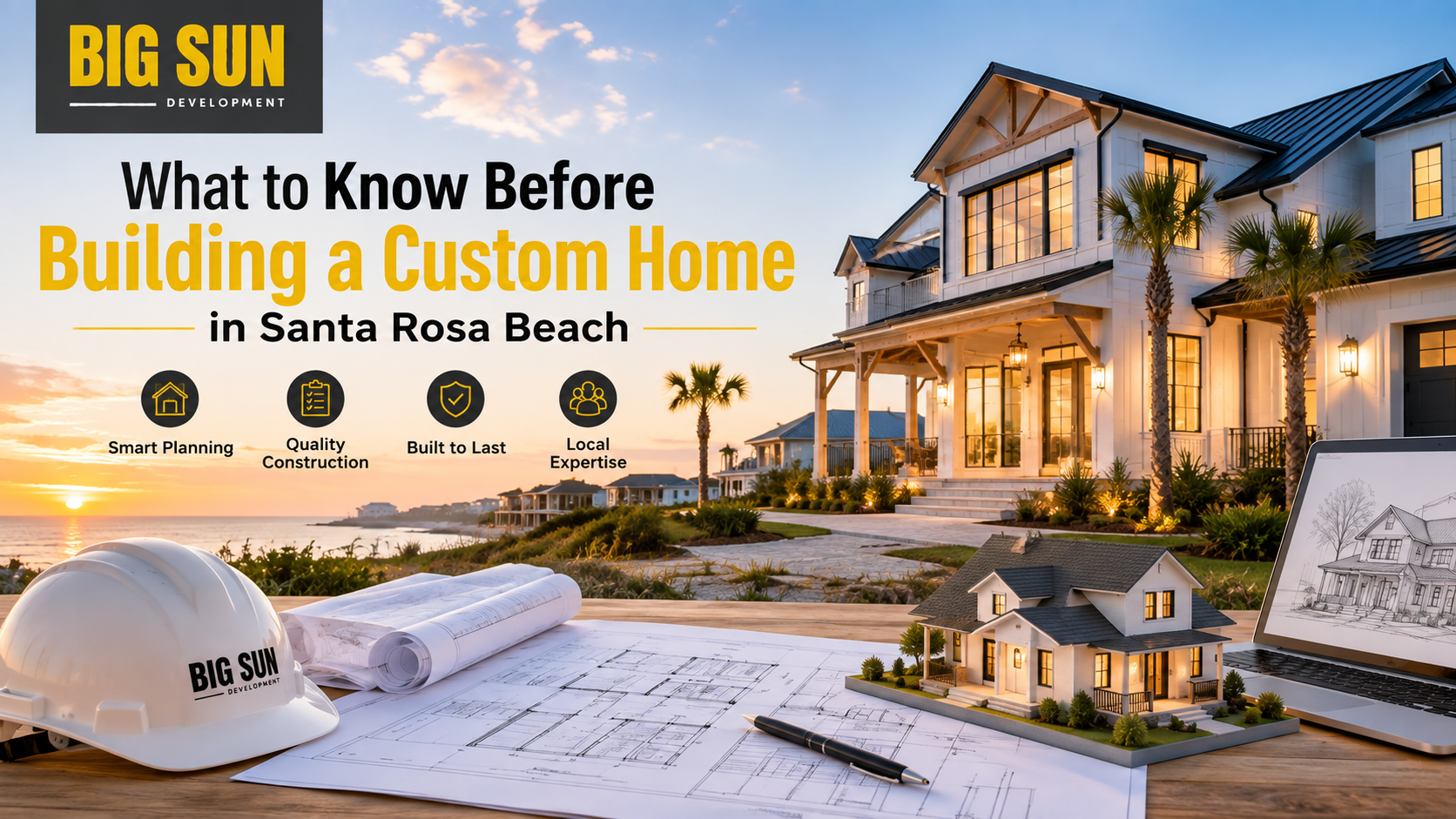
Building a custom home in Santa Rosa Beach lets you create a property around the way you live, whether it will be a primary residence, second home, beach house, or vacation rental. But a successful project starts well before construction. The lot, design, budget, approvals, materials, and construction team can all affect the finished home.
Santa Rosa Beach also brings coastal considerations such as drainage, flood exposure, wind, moisture, and long-term maintenance. Understanding these factors early can reduce surprises and help create a home that is both attractive and practical.
1. Start With the Property, Not Just the Floor Plan
Before choosing finishes or sketching rooms, understand the lot. Property dimensions, access, topography, utilities, drainage, setbacks, easements, zoning, and neighborhood or HOA requirements can affect what can realistically be built.
For homeowners considering a custom home builder in Santa Rosa Beach, the property should be one of the first topics discussed during planning. If you are purchasing land, investigate its development requirements before committing to a design.
Flood exposure should also be evaluated early. FEMA flood maps identify areas with different levels of flood hazard, and applicable floodplain requirements can influence how a new structure is designed. FEMA guidance includes considerations such as anchoring, flood-resistant materials, and methods intended to reduce flood damage in applicable areas.
2. Define How You Will Use the Home
A custom home should reflect its purpose. A full-time residence may prioritize storage, privacy, home offices, and everyday functionality. A vacation home may need multiple sleeping areas, durable finishes, generous gathering spaces, and easy maintenance.
If you plan to use the property as a vacation rental, think about guest flow. Consider entry points, luggage and beach-equipment storage, bathroom access, and connections between indoor and outdoor spaces.
Making these decisions during design helps the floor plan serve the property’s intended use rather than forcing you to adapt to a finished layout.
3. Create a Realistic Construction Budget
The budget should cover more than the basic cost of the house. Depending on the property, consider site preparation, architectural and engineering services, permits, utility connections, landscaping, driveways, pools, appliances, and other improvements.
Establish a contingency for unexpected conditions. Site issues, material changes, design revisions, or permitting requirements can affect final costs. A detailed budget helps you understand where to invest and where trade-offs may be necessary.
The goal is not simply the lowest initial price. It is a financial plan that supports the home’s design, quality, and long-term use.
4. Design for Coastal Conditions
A Santa Rosa Beach home should be designed with its environment in mind. Wind, moisture, salt air, intense sunlight, and heavy rainfall can influence material selection and maintenance.
Ask your architect and builder about exterior materials, roofing, windows and doors, drainage, water management, and other components appropriate for the property’s conditions. Florida’s building framework includes provisions addressing wind and flood-related design, while exact requirements depend on the property and project. The Florida Building Commission currently lists the 8th Edition (2023) Florida Building Code as effective.
The objective is not simply to make a house look coastal. It is to create a structure that performs appropriately in its environment.
5. Think About Future Additions Before You Build
One advantage of custom construction is planning for future needs. If you expect your family to grow or may need additional space later, discuss those possibilities during initial design.
Future improvements could include a larger kitchen, guest suite, home office, expanded living area, or outdoor living space. Some homeowners may also consider adding a floor, level, or story to an existing home.
Planning for potential expansion can affect structural design, utilities, roof configuration, and mechanical systems. Discussing these possibilities early is often more practical than retrofitting major changes later.
6. Choose a Construction Team With Relevant Experience
The builder you select can affect communication, scheduling, workmanship, and the overall experience. Look beyond project photos and ask how the company manages construction.
An experienced 30A home builder can also provide valuable insight when the project involves coastal construction, vacation properties, or homes designed for the local environment.
Useful questions include:
- Is the contractor properly licensed and insured?
- Has the company built homes similar to yours?
- Does the team understand coastal construction?
- How does it coordinate with architects and designers?
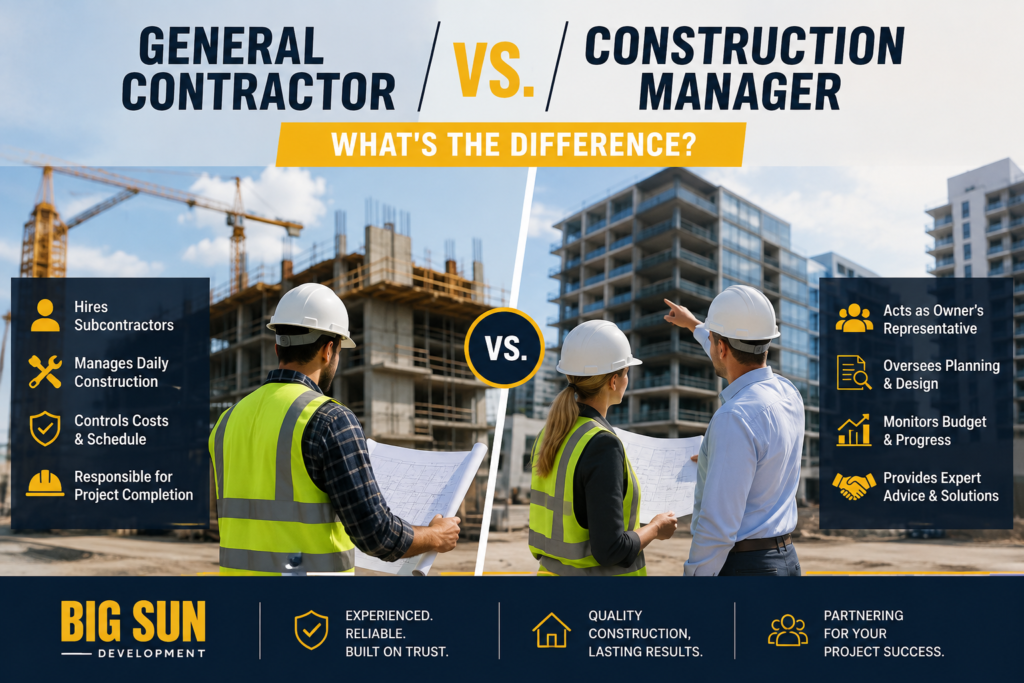
- Who manages subcontractors, inspections, and scheduling?
- How are changes and budget adjustments communicated?
For a Santa Rosa Beach project, relevant local experience can be valuable because the team must understand both the property’s environment and the construction process.
7. Understand Design, Permitting, and Approvals
A custom home can involve architects, engineers, surveyors, contractors, permitting officials, and other professionals. Knowing who handles each responsibility helps prevent communication gaps.
The Florida Building Code provides the statewide framework for construction requirements, while local jurisdictions can have additional requirements and procedures. Before construction begins, confirm applicable code requirements, permitting steps, site restrictions, and inspections for the specific property.
Ask your construction team for a roadmap covering design, permitting, site preparation, construction, inspections, and completion.
8. Prioritize Function Before Finishes
It is easy to focus on countertops, tile, lighting, flooring, and paint. Those details matter, but the layout will affect how you use the home every day.
Think about movement through the property, grocery access to the kitchen, laundry, storage, and indoor-outdoor connections. For a beach or vacation home, practical features may include durable flooring, outdoor showers, beach-equipment storage, easy-clean surfaces, and spaces designed for frequent use.
9. Plan for Long-Term Value
A custom home should be enjoyable today while remaining functional and maintainable in the future. Choose materials and layouts that fit the property’s location and intended use instead of relying entirely on short-lived trends.
Energy efficiency, durable exterior materials, functional floor plans, quality windows and doors, thoughtful storage, and well-planned outdoor areas can contribute to long-term usability.
Most importantly, prioritize the quality of the underlying construction. Decorative finishes can be updated later; correcting fundamental building issues can be considerably more disruptive.
Final Thoughts
Building a custom home in Santa Rosa Beach requires more than selecting a floor plan and finishes. By evaluating the property, defining how the home will be used, creating a realistic budget, planning for coastal conditions, considering future additions, and selecting an experienced construction team, you can approach the project with greater confidence.
Whether you’re planning a primary residence, second home, beach property, or vacation rental, thoughtful preparation can make construction more organized and help create a home that fits your needs. For homeowners planning a project in Santa Rosa Beach and the surrounding 30A area, Big Sun Development can help turn a carefully developed plan into a finished home.